Ben Yellowlees
My name is Ben Yellowlees, I am 30 years old, and I have Spinal Muscular Atrophy (SMA) Type 2. SMA is a progressive neuromuscular condition that has affected every aspect of my health and daily life since childhood, becoming increasingly debilitating over time.
I am unable to walk and rely on a power wheelchair for mobility. Years of being seated all day have led to additional complications, including severe scoliosis, contractures that restrict movement, and a hip condition that required surgery to prevent dislocation. My respiratory function is also significantly impaired due to weakening lung muscles. I have sleep apnea and use a CPAP machine every night, and I keep a cough assist machine available because my ability to cough and clear my airway has weakened, increasing the risk of choking.
Mobility is one of the most significant challenges I face. Using a power wheelchair limits access to many places that are not adequately accessible, and participating in everyday activities requires far more planning and preparation than it does for most people. I also depend on a wheelchair-accessible van with a hoist for transportation. Occasionally, I will also use the service of mobility taxis. Since 2020, I have been lucky enough to be partnered with my beloved mobility dog Molly, who aids me with many actions I cannot fulfill myself, such as picking things up off the floor and opening/closing doors and drawers.
SMA affects every aspect of my daily life, including eating, drinking, toileting, and personal hygiene. I require a full-time carer who assists with feeding, bathing, dressing, and preparing me for bed. As my condition has progressed, I have gradually lost abilities that many people take for granted, including writing, drawing, typing, and feeding myself independently.
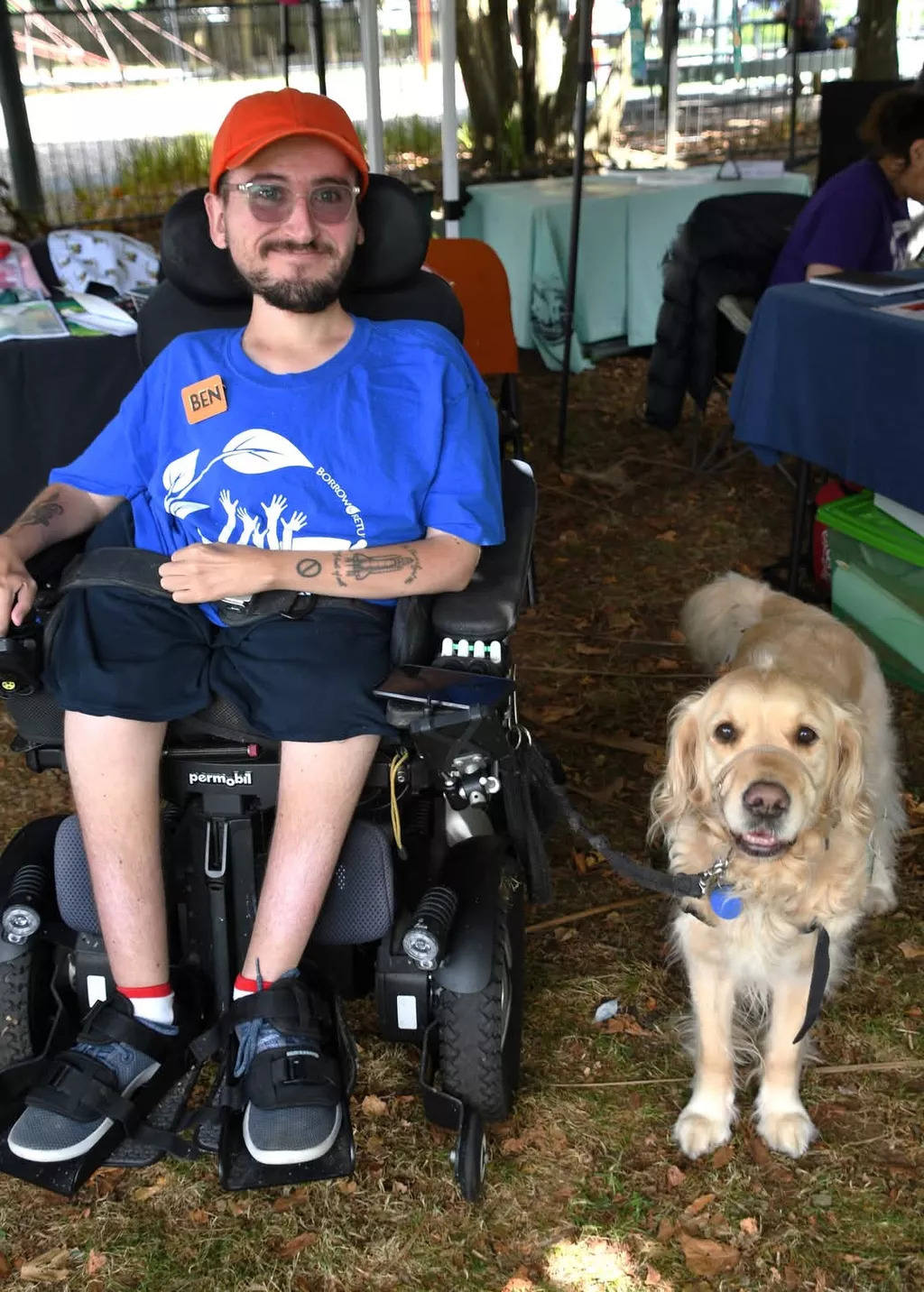
The nature of SMA is that muscle weakness steadily increases over time, narrowing the ways in which you can interact with the world. The older I get, the more abilities I lose, making everyday life increasingly dependent on support and adaptation.
Gaining access to the medical treatments Risdiplam and Spinraza is incredibly important in terms of prolonging my quality of life and slowing down the progress of my disease. There are no other viable treatments for SMA that are funded here in New Zealand, no medicines that are effective at stemming this cruel disease. Gaining access to these treatments would allow me to live longer, hold on to more of what I am still able to do independently and provide peace of mind that I am doing everything within my power to fight this disease.
To see my health worsen year after year and to experience things that I used to be able to do much easier slowly become more and more difficult, while knowing that there are viable treatments out there that I do not have access to, has had an immense impact on my mental health. When I was still a young teenager, my paediatrician told me the medical community was beginning to speak of a promising new drug for treating SMA. It was still in its infancy, and going through the required testing before becoming available for human use, but he spoke of how it was just around the corner.
10 years after Spinraza was cleared for mainstream use, and 6 years after Risdiplam, that dream of mine to finally have access to drugs that could change the trajectory of my life, has still not yet been realized. While I couldn't be happier for those with my disease under the age of 18, who have thankfully finally gained access to both Spinraza and Risdiplam, it is hard not to feel left behind as someone over 18 who is still missing out on access. It is long past due that we are brought into the fold.