Cody McMillan
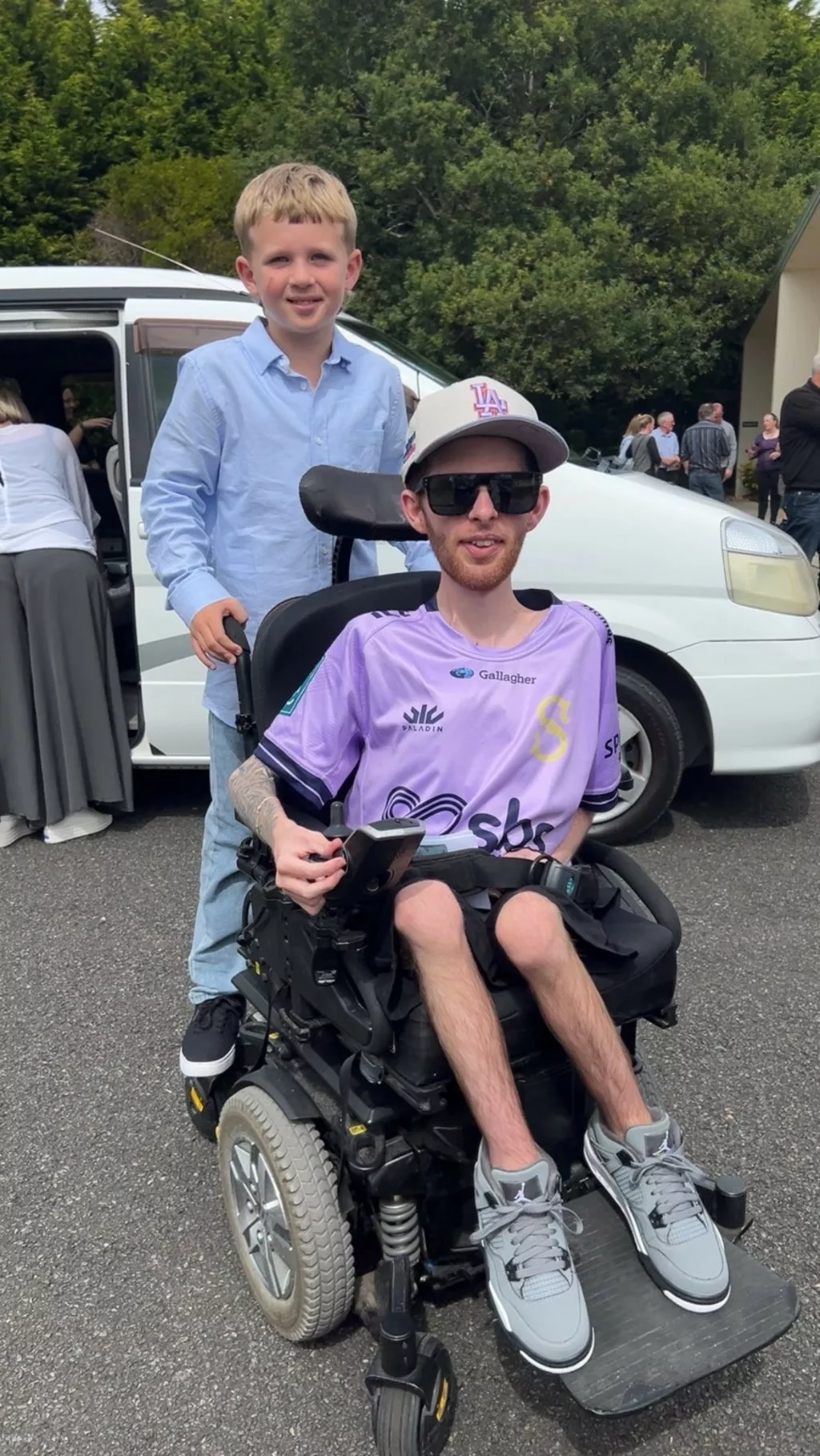
I am 25 years old and live with Spinal Muscular Atrophy (SMA) Type 2, a progressive neuromuscular condition that causes muscle weakness throughout my body. I use a power wheelchair full-time and rely on it for my mobility and independence.
SMA affects every aspect of my daily life. I require caregivers three times a day to assist with personal care and daily activities, and I also rely heavily on support from my dad. While I do everything I can to remain as independent as possible, there are many tasks that I am physically unable to do on my own.
Over the last few years, I have noticed a decline in my strength. Even simple things, such as balancing while sitting on a couch or chair, have become more difficult. These changes may seem small to others, but they are a constant reminder that SMA is progressive and that every loss of strength can affect my independence.
One of my biggest passions is travel. I love exploring new places and making the most of the independence I have. However, I worry that if my condition continues to progress, travelling will become increasingly difficult and may eventually no longer be possible without significantly more support. Losing the ability to travel would mean losing something that brings me freedom, enjoyment, and a sense of adventure.
At 25 years old, I want the opportunity to maintain the independence I still have, continue pursuing my goals, and keep enjoying the experiences that make life meaningful.
Medicines such as Risdiplam and Spinraza are incredibly important because they offer the opportunity to slow the progression of SMA and help preserve the abilities people currently have. I do not expect treatment to cure my SMA or get me out of my wheelchair. What I hope for is the chance to hold on to my independence and maintain my current level of function for as long as possible. For someone living with a progressive condition, maintaining abilities can be just as important as improving them.
Over the last few years, I have noticed my strength declining. Knowing that treatments exist which may help slow that decline gives me hope for the future. Access to treatment could help me preserve the strength I still have, reduce further loss of function, and continue living as independently as possible.
For me, treatment is about much more than physical strength. It is about protecting my quality of life, maintaining my ability to travel, reducing my reliance on others where possible, and giving me confidence about the future. I want to continue building my life, pursuing my goals, and participating fully in my community without constantly worrying about what ability I may lose next.
At 25 years old, I believe adults with SMA should have the same opportunity to access treatments that could help preserve their health, independence, and quality of life.
The lack of access to SMA treatments has been incredibly frustrating and disheartening. As an adult with SMA Type 2, I am not eligible for funded access to these medicines, and the cost of obtaining them privately is far beyond what I could ever afford. What makes this especially difficult is knowing that these treatments already exist and are helping people with SMA in other countries.
While my condition continues to progress, I have no realistic way of accessing medicines that could
potentially help preserve my strength and independence. Over the last few years, I have experienced a decline in my strength, and there is no way of knowing how much function might have been preserved if treatment had been available to me earlier.
Every year without access is another year in which valuable strength and independence may be lost. The lack of access is not just about losing physical strength. It is about the risk of losing opportunities and experiences that many people take for granted. Travel is a huge part of my life, and I worry that if my condition continues to decline, it will become much harder to travel and enjoy the independence that I currently have. The longer adults with SMA go without access to treatment, the greater the risk that abilities and opportunities may be lost forever.
At 25 years old, I should be focused on building my future. Instead, there is constant uncertainty about how much function I may lose and whether access to treatment will come before further decline occurs. Adults with SMA deserve the same opportunity as everyone else to access treatments that could help preserve their health, independence, and quality of life.