Shannon Kavanagh
Shannon Kavanagh
I was diagnosed with VHL when I was 11 years old. My school teacher had noticed that I was squinting at the whiteboard during class and recommended to my mum that I should go for an eye test. At the optometrist, tumours were found at the back of my eyes and I was sent for an MRI, which found tumours throughout my brain, spine, and eyes.
I am currently 28 years old, a haemotology nurse in Auckland. Since diagnosis, I have had countless amounts of eye surgeries from 11years old - current, and 8 brain/spine surgeries.
Being diagnosed with VHL has had a profound and often unpredictable impact on my life. One of the most difficult aspects has been the sudden disruptions it causes. There have been times when I’ve had to leave school or university unexpectedly due to urgent medical needs—whether for surgery, monitoring, or managing symptoms. This has made it challenging to maintain consistency in my education and has sometimes left me feeling like I’m falling behind my peers.
The impact extends beyond academics into my personal relationships as well. VHL brings a level of uncertainty that can be hard for others to fully understand. I’ve had to step away from friendships and relationships, not because I wanted to, but because my health had to come first.
These sudden changes can be isolating and emotionally draining, as it often feels like my life is interrupted without warning.
Living with VHL also means constantly balancing hope and vigilance—planning for the future while knowing that things can change quickly. Despite these challenges, the experience has also taught me resilience, adaptability, and the importance of prioritizing my well-being, even when it means making difficult decisions.
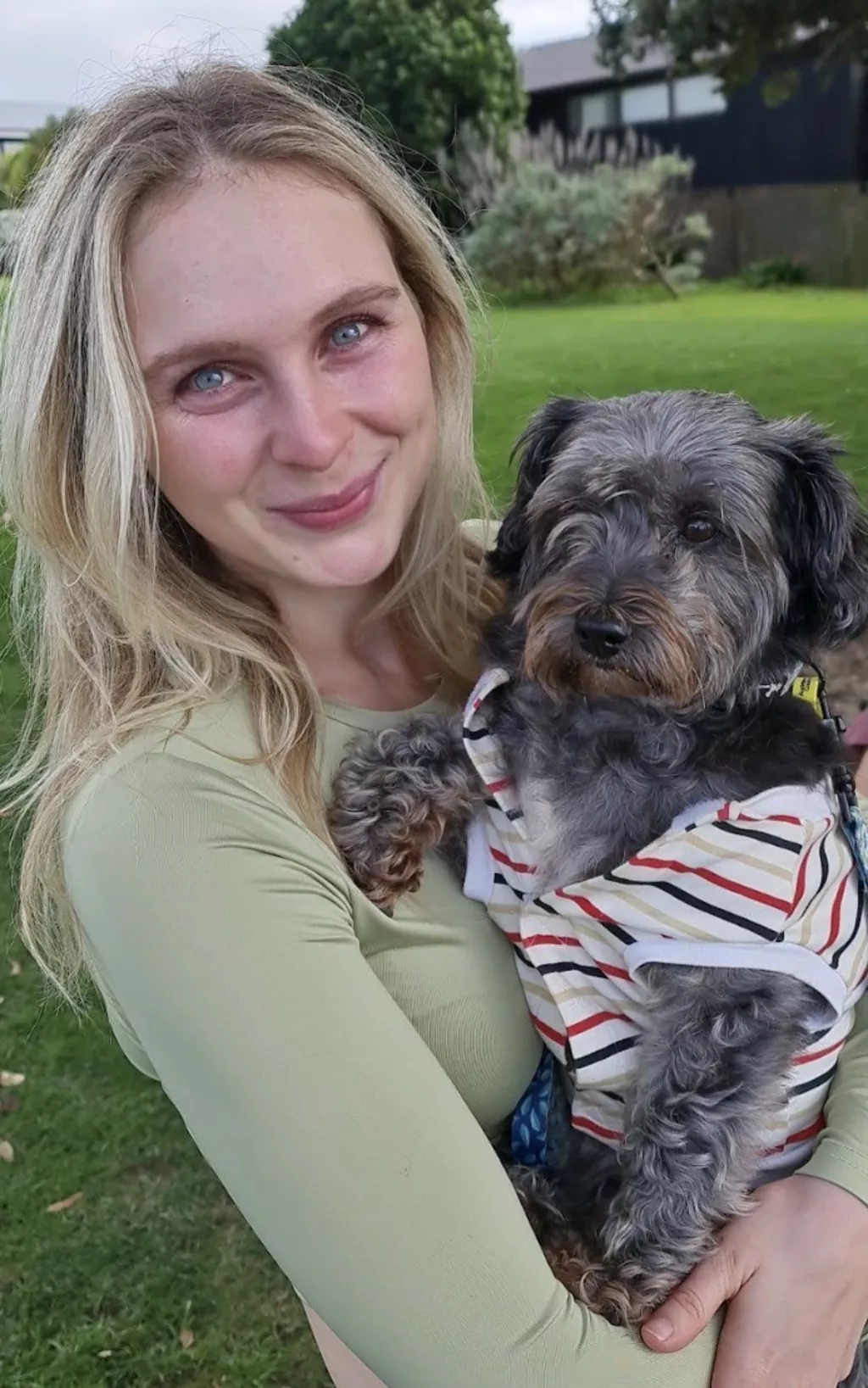
There is ongoing uncertainty around my long-term health, fertility, and life expectancy and this has resulted in considerable stress, particularly in the lead-up to major life events (e.g., wedding planning, family planning, and career development).
The progressive nature of the disease leads to uncertainty around long-term prognosis. This significantly affects decision-making, mental wellbeing, and the ability to participate fully in normal life activities.
I require ongoing practical and emotional support from my husband and family. They are frequently required to attend medical appointments, assist during recovery from surgeries, and provide support around disease-related functional limitations. This creates additional strain on my relationships; including emotional, time, and financial impacts.
Without having the option of belzutifan (Welireg), I am unable to make my own choices and plan for the future. There is great complexity, stress and potential great financial cost in regards to fertility and starting a family, there is a constant risk on my ability to continue working in healthcare - inability to carry out nursing functions in a community setting due to reduced mobility, sensory loss, and the risk associated with disease progression. There is a risk to my everyday function - vision loss, risk of neurological damage, and advanced mortality.
My family have had a great emotional and financial toll throughout my life. Having access to Welireg will change not only my life, but the life of my husband, and family.
Welireg may prevent or significantly delay the need for invasive surgical procedures across my own, and other VHL patients' lifetimes, reducing the cumulative risks associated with repeated operations. Consequently, reducing need for surgical intervention would likely decrease VHL reliance on the public health system, lowering long-term healthcare use.
Access to Welireg could reduce disease-related uncertainty and would provide significant mental health benefits to both myself and my family, including decreased anxiety and improved emotional wellbeing.
Better disease control would help preserve what eyesight I have left, improve bodily function, and support long-term quality of life.
Welireg could also enable me to remain active in the nursing workforce, allowing me to continue my contribution to NZ health and the wider community.