Waiting for medicine
The rare medicines New Zealanders need
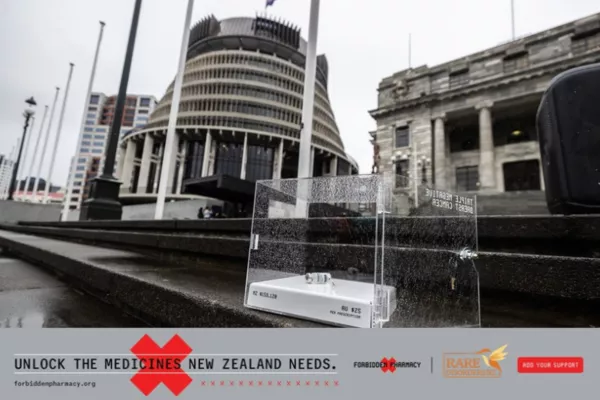
Kiwis missing out on medicine
There are over 60 groups in our support group collective with an interest in medicine access.
Rare disorder medicines are often high-cost, low-volume medicines, and because of this they can struggle to make it through Pharmac's one-size-fits-all assessment process of medicines, despite clear clinical benefit.
This is a significant equity issue for people living with rare disorders. For many, the medicine they are waiting for is not a better or more convenient option than what they currently have. They are waiting for their only option to live without significant disability or ill health, or to live at all.
We have collected stories from our community on the unmet need for people with disorders for which a treatment exists.
Adults 19 years+ with Spinal Muscular Atrophy
Spinal Muscular Atrophy (SMA) is a rare genetic disorder that affects the motor nerves, leading to progressive muscle-wasting.
In New Zealand, there are two treatments funded only for patients 18 years or under. For adults with SMA these treatments are sitting on Pharmac's waitlist of medicines ready to be funded if there was enough funding in the medicines budget.
How does it feel to be have life-changing treatment just out of reach? Kiwis with SMA share their stories below.
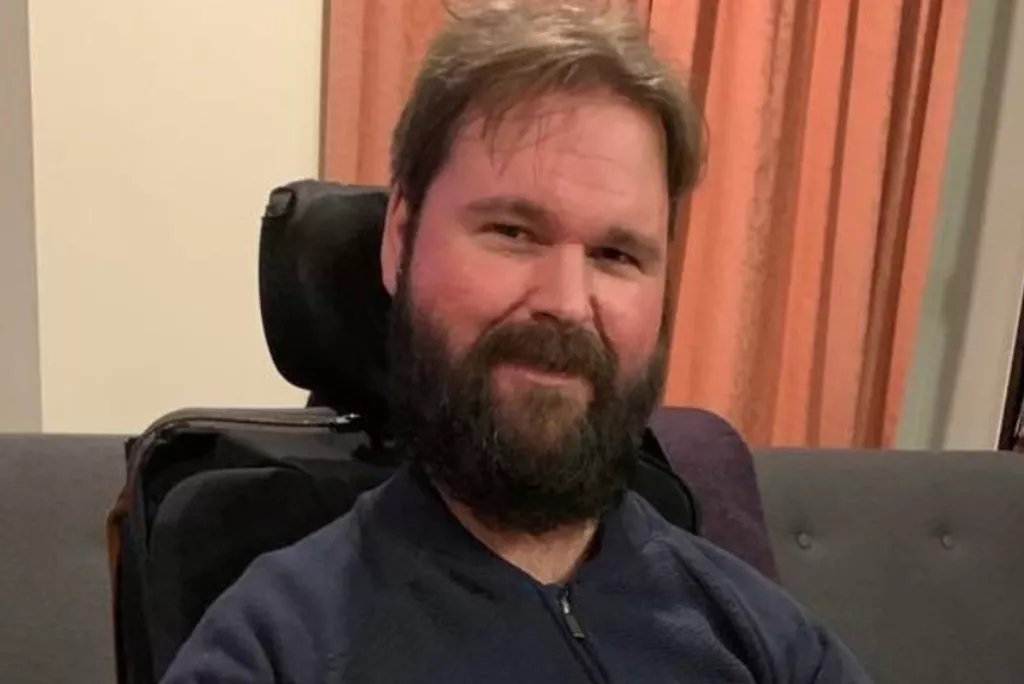
Blake Leitch
Receiving medicine could bring back my work, bring back my social life. Receiving medicine could help me to feel more like a person again.
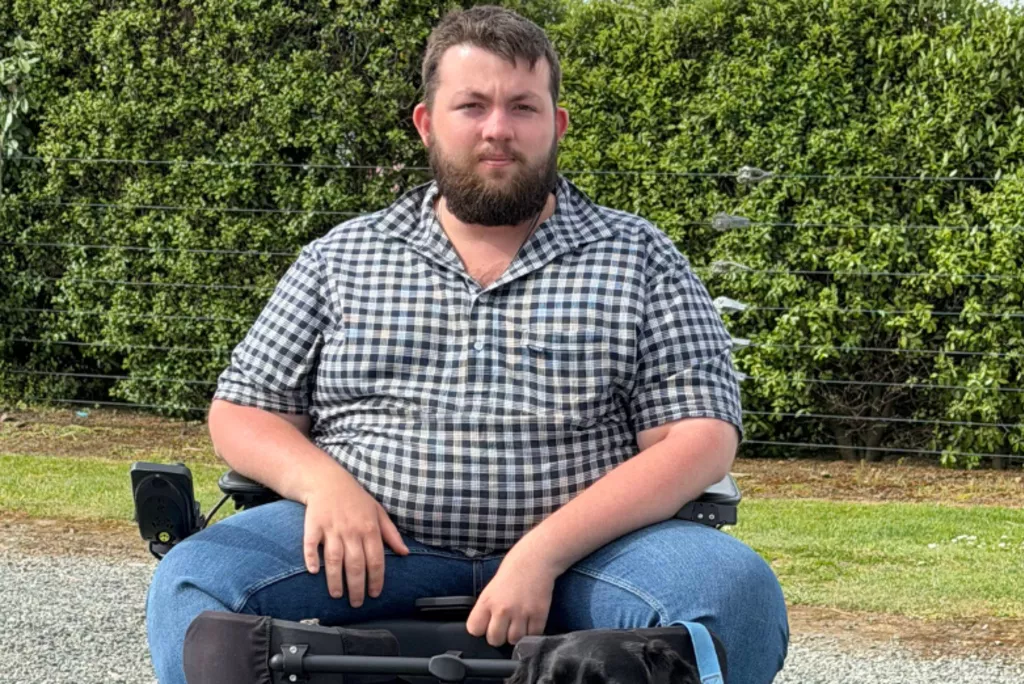
Ryan O'Rourke
When funded treatment began in January 2023, the criteria only covered people aged 18 and under. I had turned 19 the previous winter, around six months too old, and so I missed out, not for any clinical reason, but because of where a line happened to fall on a calendar.

Scott Boyle
To deny vital and proven treatments for a generation based on ‘minimal gains’ sends a very clear message. “Your life is not as valuable.

Cody McMillan
Access to treatment could help me preserve the strength I still have, reduce further loss of function, and continue living as independently as possible.
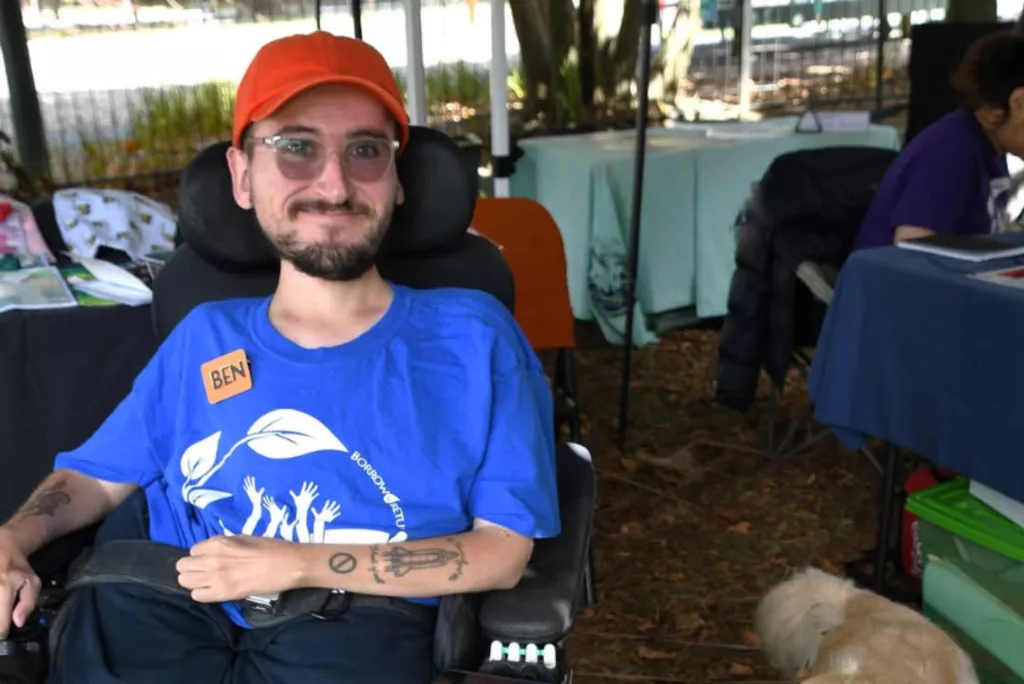
Ben Yellowlees
To see my health worsen year after year and to experience things that I used to be able to do much easier slowly become more and more difficult, while knowing that there are viable treatments out there that I do not have access to, has had an immense impact on my mental health.
Pompe disease
Pompe is a rare genetic condition in which a specific digestive enzyme is missing, causing a toxic build up of the sugar glycogen. As glycogen accumulates in tissues throughout the body, in particular skeletal and heart muscles, it causes structural and functional damage, leading to severe muscle weakness.
Enzyme Replacement Therapy is used in many other countries to treat Pompe disease, but is only funded in New Zealand for infantile Pompe disease, not adult-onset Pompe disease.
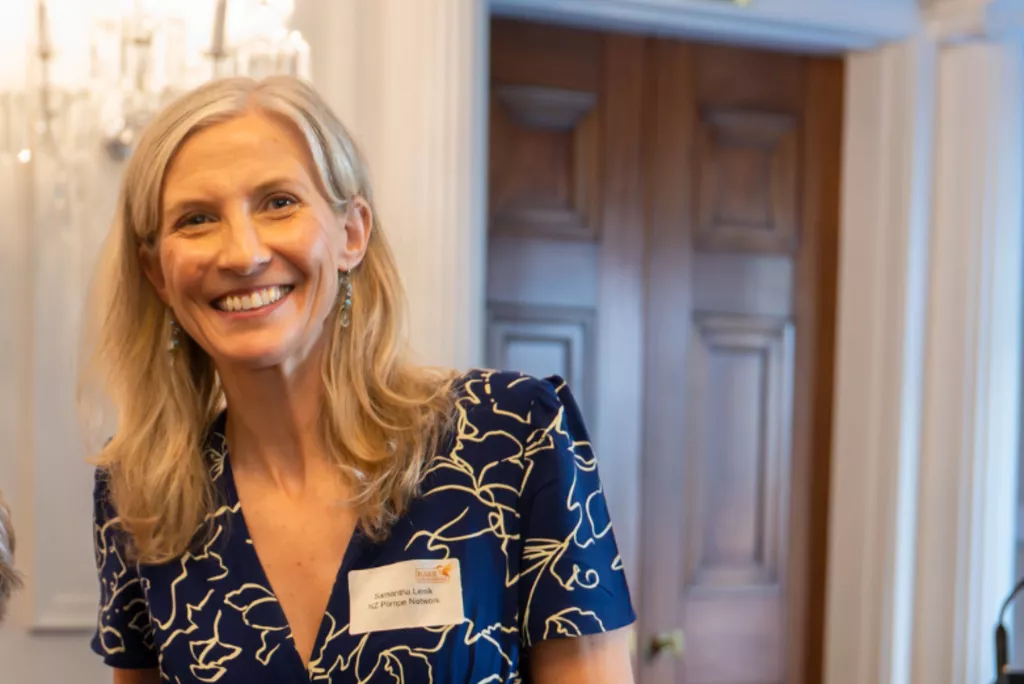
Samantha Lenik
I have been incredibly fortunate to access ERT through the International Compassionate Access Programme. But access to life-changing treatment should not depend on luck.
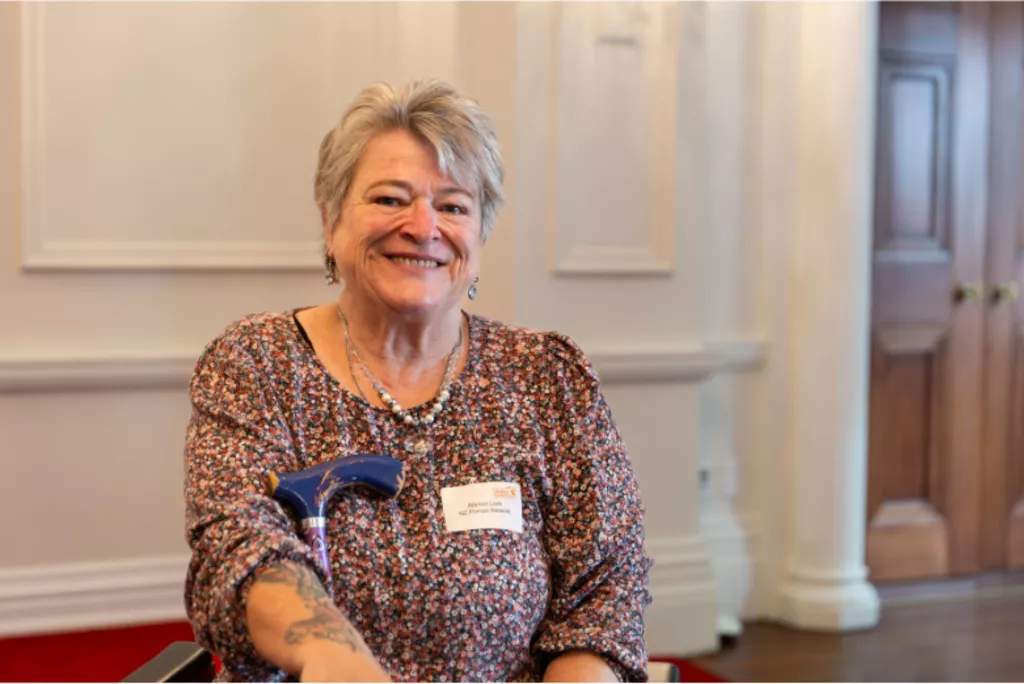
Allyson Lock
When patients overseas are diagnosed, many instantly have a selection of 3 different Pompe medicines to choose from. If you’re an adult in New Zealand, you have ZERO. NIL. NOTHING. This has never changed in the 16 years since I was diagnosed.
Catherine Chilton
No treatment and no-one in New Zealand to help. The doctors had completed the diagnosis. Who could I talk to about diet and exercise – no one. The isolation was amazing.
Von Hippel-Lindau syndrome
Von Hippel-Lindau syndrome (VHL) is a rare genetic disorder that causes tumours and cysts to grow throughout the body.
While most VHL tumours are benign, they can still cause significant damage to organs and some tumours can be malignant (cancerous).
Patients must undergo regular checks by a multidisciplinary team of specialists to detect and remove any tumours as they appear.
A treatment exists that has proven to shrink tumours and inhibit tumour growth in patients with VHL. The treatment is funded in Australia and other OECD countries. It is currently under assessment at Pharmac. VHL patients share what a difference it would make to their lives to have access to the treatment.
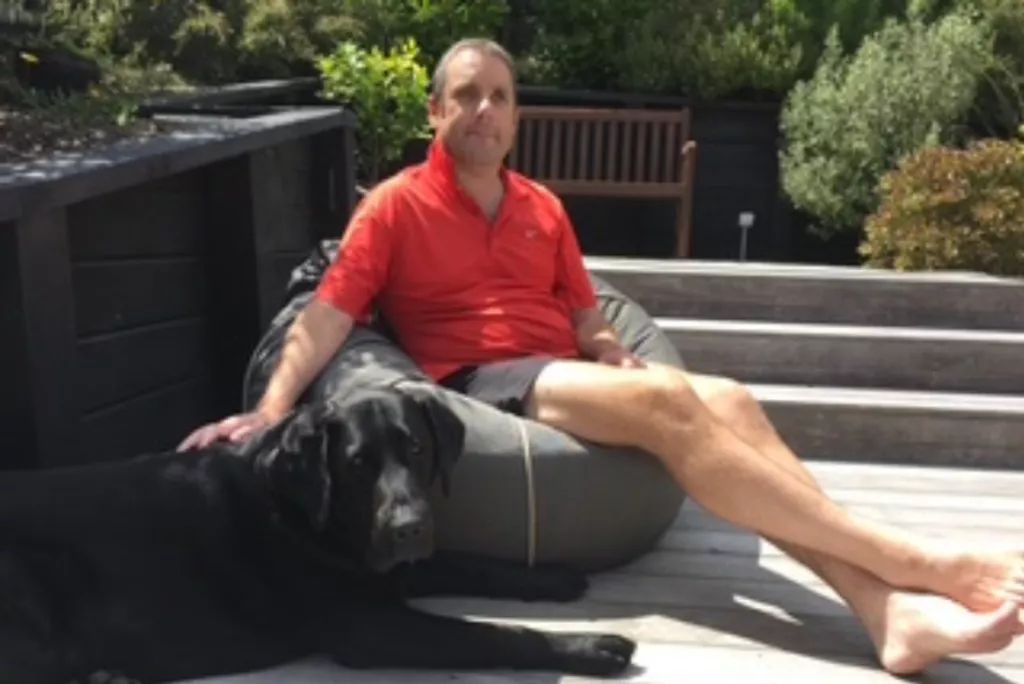
Greg Johnson
While my friends in Australia and the USA are already thriving on this drug, Kiwi VHL patients and their families are forced to watch a proven solution sit just out of reach while preventable physical damage occurs.
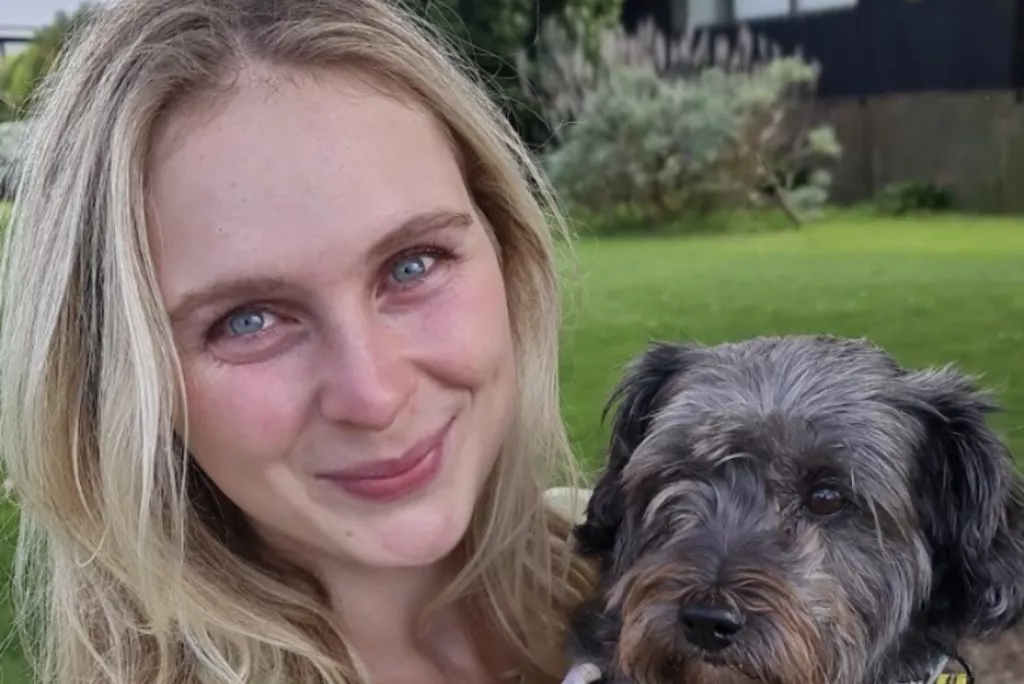
Shannon Kavanagh
Better disease control would help preserve what eyesight I have left, improve bodily function, and support long-term quality of life.
Giant Cell Arteritis
Giant Cell Arteritis is a rare autoimmune disorder that causes inflammation of the lining of the arteries, particularly of the head and neck, and can lead to vision loss or stroke.
When diagnosed, patients are immediately treated with high-dose corticosteroids to reduce inflammation, but long-term use can cause serious side effects.
A biological therapy exists that has proven to be effective in reducing inflammation and reducing the need for steroids.
It is not currently funded in New Zealand, but is in Australia and a number of other OECD countries.
Bobbie shares her story below.
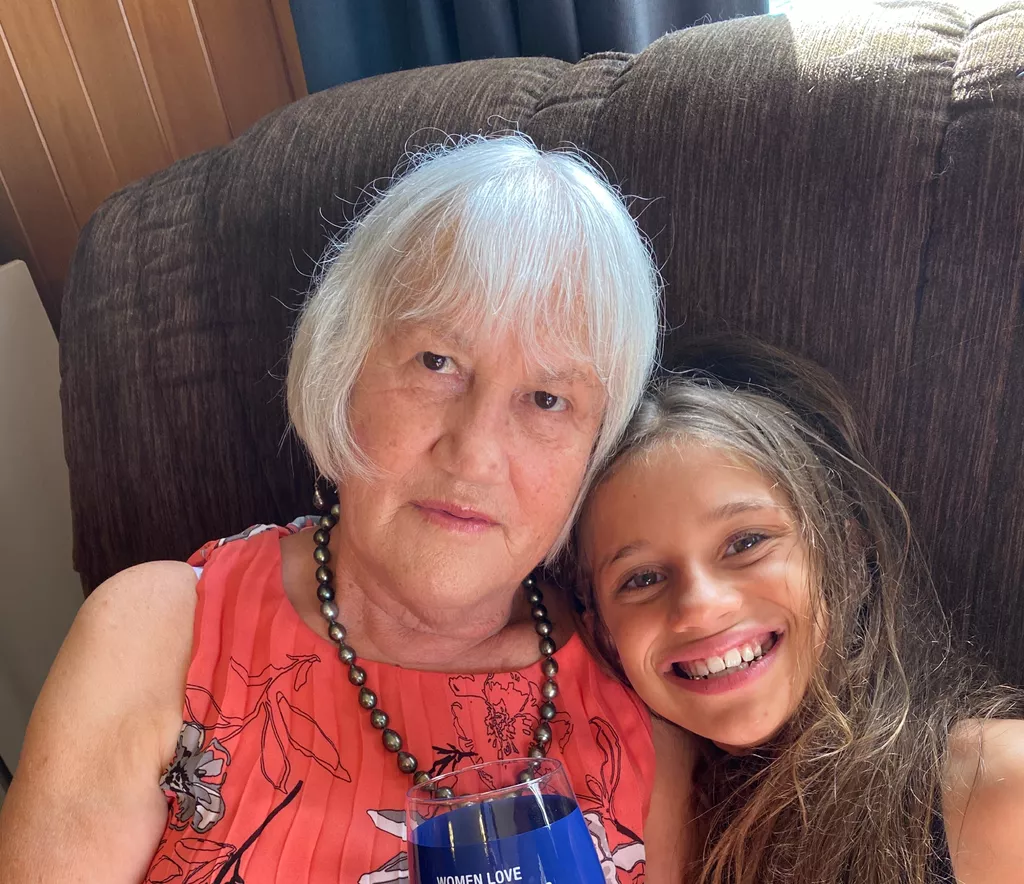
Bobbie Hunter
The lack of access to tocilizumab has sentenced me to a life on steroids with all its incumbent side effects.
Still's Disease
Still's disease in a rare autoimmune disorder that can present in both children and adults. The most common symptoms include daily fevers, a non-itchy rash, joint pain and a sore throat.
It is not known what causes Still's disease, though many believe an infection is the initial trigger, which causes the immune system to malfunction in those who are susceptible.
While there is no cure, there are treatments that can reduce inflammation and control the symptoms. One of the most effective for Still's is not funded in New Zealand, but currently under assessment at Pharmac.
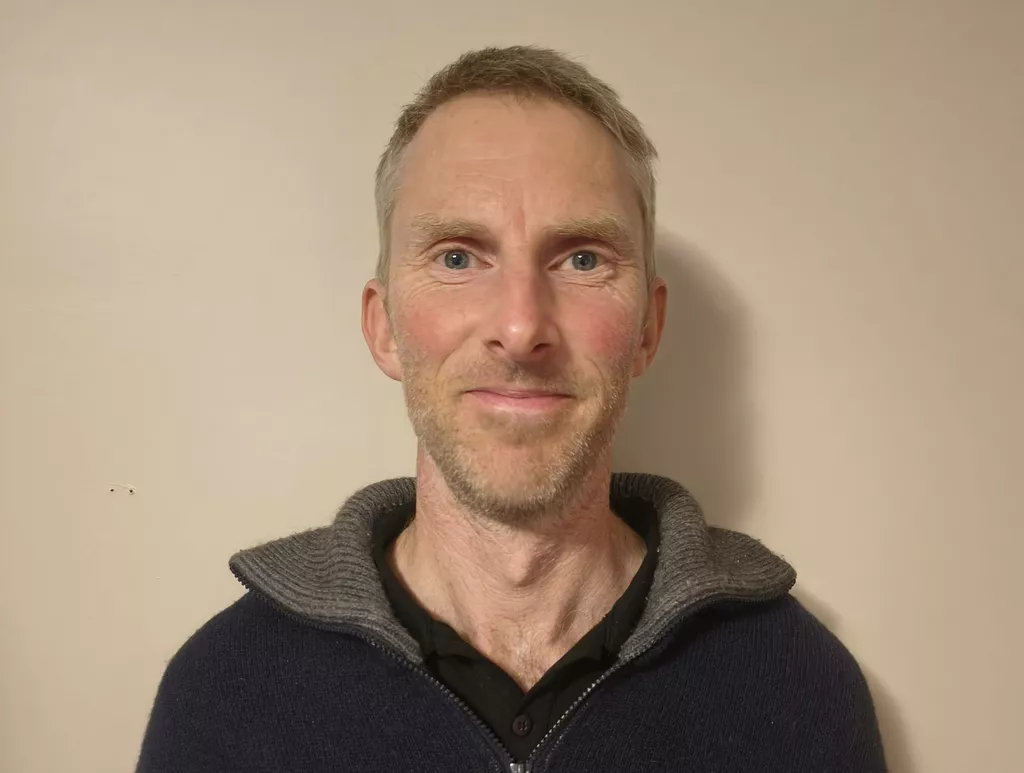
Scott Denham
I have failed all other available treatments for Stills in NZ, many of which made me feel much worse. The lack of options of new treatments makes me feel hopeless for improvements longer term.
Amyloidosis
Amyloidosis is a rare group of disorders caused by the build-up of amyloid (abnormal) proteins in organs and tissues. This can lead to serious organ and tissue damage, which can be life-threatening.
There are different types of Amyloidosis, and as such different treatment options as well.

Peter Black
Without the medicine I will progressively deteriorate in health and have a short life expectancy. It is frustrating to know that effective treatments have been found, but our health authorities refuse to cooperate in making them available to NZ sufferers.
These stories are the patients' own words and do not represent the position or views of Rare Disorders NZ. Rare Disorders NZ does not endorse any specific drug or treatment and will always focus advocacy efforts on issues around systemic barriers to accessing approved treatments rather than the treatment itself.